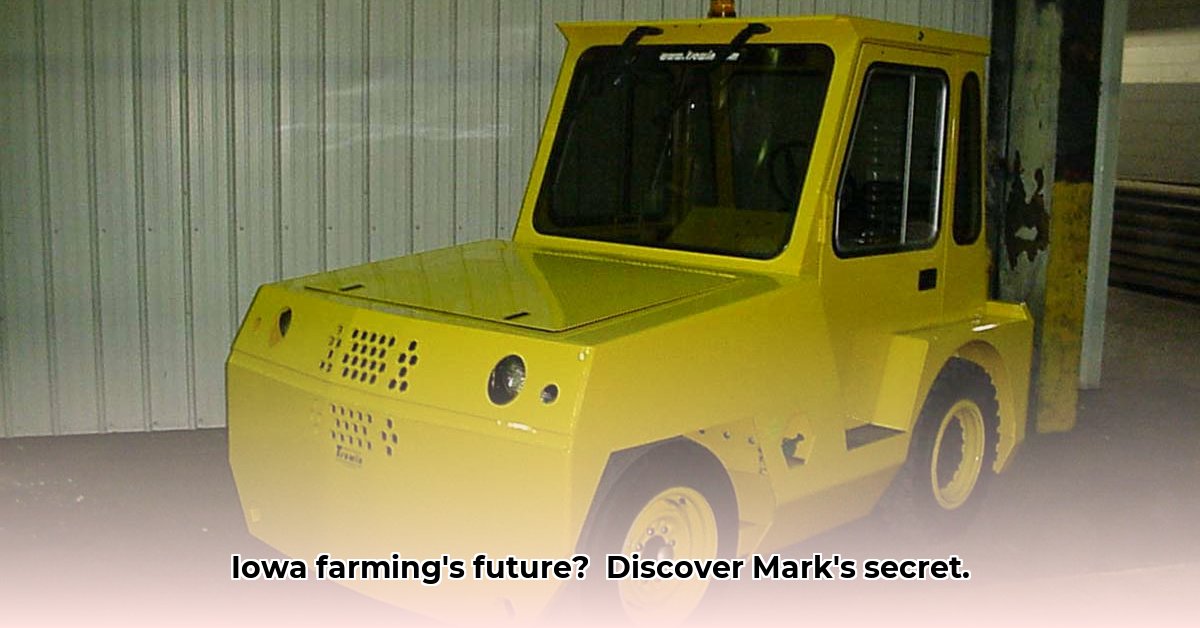
Mark's Tractor & Implement, Inc., operating in Osage and Dumont, Iowa, offers a compelling case study in localized, customer-centric agricultural equipment sales. This analysis examines their unique business model, highlighting strengths, weaknesses, and opportunities for sustainable growth in a competitive market. We will explore how their personalized approach can be leveraged for future success, while also addressing challenges relating to scalability and market pressures. For larger equipment needs, consider exploring options like Kubota tractor packages.
Company Overview: A Personalized Approach to Agricultural Equipment
Mark's Tractor distinguishes itself through exceptional customer service and a broad inventory tailored to the specific needs of its local farming community. This deep understanding of local agriculture fosters strong customer relationships. However, their limited online presence and reliance on in-person sales constrain their market reach and scalability. Furthermore, the lack of detailed data quantifies their environmental impact, representing a significant area for improvement. How can this small business balance its commitment to personalized service with the demands of a rapidly evolving agricultural sector?
Market Analysis: Navigating a Competitive Landscape
Mark's Tractor occupies a unique niche within the Iowa agricultural landscape. Their intimate knowledge of local farming practices provides a competitive advantage over larger, national players. However, this localized focus also exposes them to significant threats. Larger competitors often leverage advanced technologies, wider product ranges, and expansive marketing strategies to dominate market share. Understanding this dynamic competitive landscape is crucial for developing effective growth strategies.
Competitive Advantage: Personalized Service vs. Technological Advancement
The competition between Mark's Tractor and larger agricultural equipment suppliers illustrates a classic David-and-Goliath scenario. Larger companies prioritize technological advancements and economies of scale. Mark's, on the other hand, emphasizes personalized customer service and deep local knowledge. Their success hinges on effectively leveraging this unique value proposition in a market increasingly dominated by technological innovation. Can their personalized service model outcompete a superior technological offering over the long term?
Sustainability Assessment: Measuring Environmental Impact
Sustainability is a critical factor for agricultural businesses. While Mark's Tractor likely adheres to responsible business practices, a lack of quantifiable sustainability data hinders their ability to showcase their commitment to environmental stewardship. To enhance their brand image and attract environmentally conscious customers, they need to track and report key environmental metrics, such as fuel efficiency and emissions associated with the equipment they sell. How can they effectively quantify their environmental footprint and communicate it to their customers?
SWOT Analysis: A Consolidated Assessment
This SWOT analysis summarizes Mark's Tractor's current position:
| Strengths | Weaknesses | Opportunities | Threats |
|---|---|---|---|
| Exceptional customer service | Limited online presence | Develop a user-friendly website and online store | Intense competition from larger companies |
| Deep understanding of local needs | Lack of detailed sustainability data | Partner with sustainable ag organizations for data | Changing government regulations and subsidies |
| Strong community ties | Difficulty scaling the business model | Expand strategically to nearby communities | Shifts in agricultural technology |
| Diverse, region-specific inventory | Reliance on in-person sales | Implement efficient inventory management systems | Economic downturns impacting farmer spending |
Actionable Insights: A Roadmap for Sustainable Growth
To achieve sustainable growth, Mark's Tractor should implement the following strategies:
Enhance Digital Presence: Develop a user-friendly website to improve accessibility and showcase services. This step is crucial for expanding market reach beyond the immediate locality.
Improve Sustainability Reporting: Implement a system for tracking and reporting key environmental metrics associated with their equipment and operations. This data is essential for demonstrating commitment to sustainability.
Explore Strategic Partnerships: Collaborate with other businesses, such as sustainable equipment manufacturers, for expanded product offerings and access to new markets.
Invest in Staff Training: Invest in training to enhance employees' knowledge of sustainable agriculture practices. This will reinforce their credibility among environmentally conscious customers.
Implement Efficient Inventory Management: Optimize inventory management to reduce storage costs and minimize waste. This can lead to significant cost savings and improved efficiency.
Conclusion: Balancing Tradition and Innovation
Mark's Tractor's success underscores the enduring value of a localized, customer-centric approach. However, their long-term sustainability requires a strategic response to the challenges of scaling their business while adapting to technological advancements. By embracing digital technologies, improving sustainability reporting, and forging strategic partnerships, Mark's Tractor can solidify its position and effectively compete in the evolving agricultural landscape. Their journey is a crucial example of how small businesses can maintain their competitive edge by combining traditional values with modern strategies.